Crawford Place moving access tips for Marylebone removals
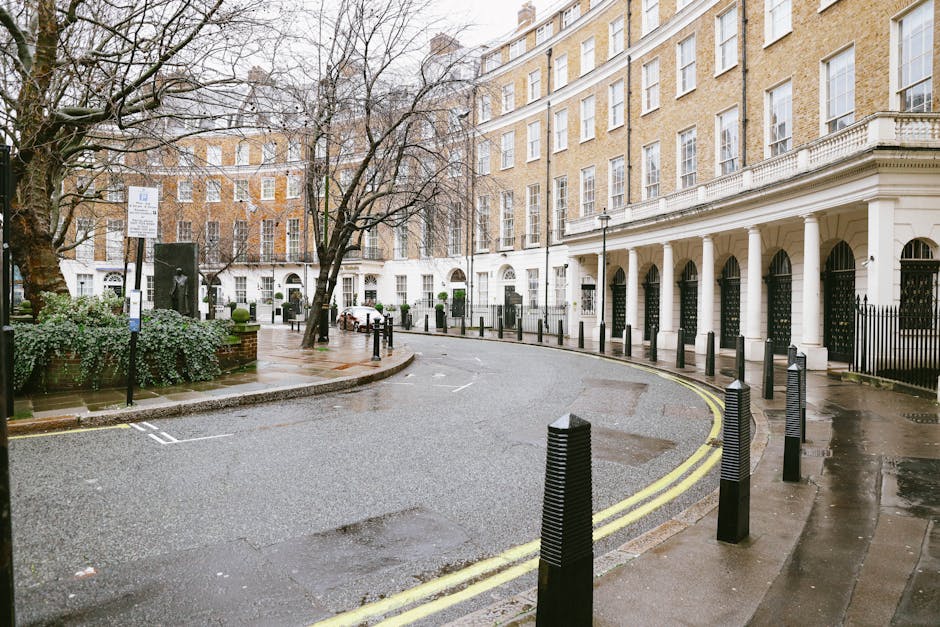
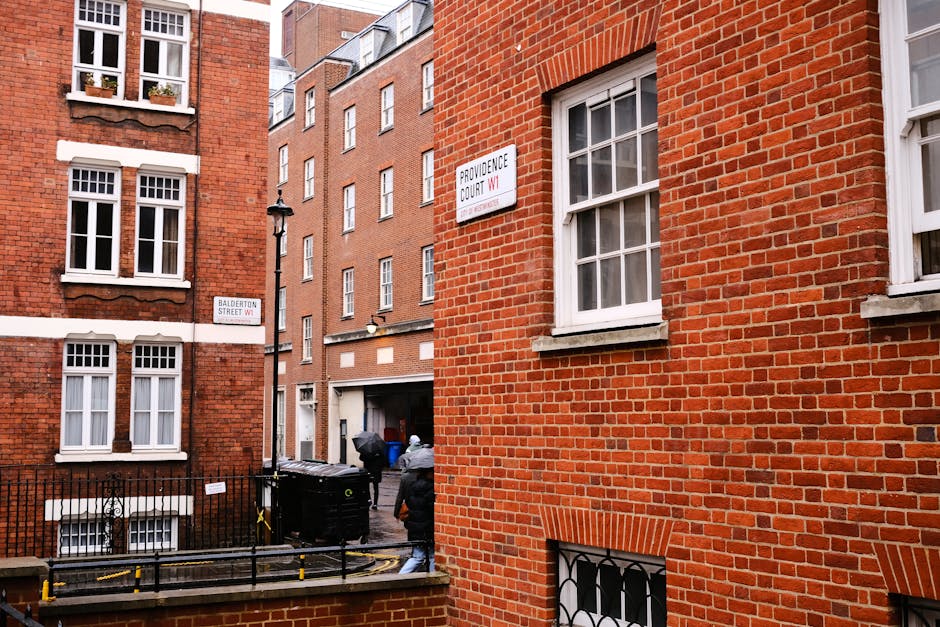
Moving in Marylebone can feel deceptively simple on a map and surprisingly fiddly on the ground. Crawford Place is a good example. It sits in a busy part of central London where kerb space is precious, foot traffic is constant, and a small delay can snowball into a stressful afternoon. If you are planning a flat move, office relocation, or even a small man-and-van job, the right Crawford Place moving access tips for Marylebone removals can save time, reduce lifting, and make the whole day feel much calmer.
This guide focuses on what actually helps in real life: access checks, loading strategy, timing, building etiquette, and the little details people often miss until the van has already arrived. You will also find practical advice on choosing the right type of move, when storage can ease the pressure, and how to avoid the classic Marylebone headaches. Truth be told, a smooth move here is usually won by preparation, not brute force.
Why Crawford Place moving access tips for Marylebone removals Matters
Access is the difference between a move that feels tidy and one that turns into a game of avoidable delays. In an area like Crawford Place, there are usually three things working against you: limited stopping space, narrow or shared access routes, and the simple fact that other people are trying to use the same streets at the same time.
For removals, this matters because the move is not just about the distance between addresses. It is about the route from the van to the front door, the lift to the flat, the stairwell width, the timing window, and whether anything blocks the load-in. If you only plan the postcode, you miss the real work.
Marylebone moves often involve apartments, managed buildings, and properties with access rules that are sensible but easy to overlook. A concierge might need advance notice. A lift may need booking. A neighbour may not love a van idling outside for too long. None of this is dramatic, but it all adds up. And on a wet Tuesday morning, with boxes on the pavement and someone asking where the trolley is, small oversights feel much bigger.
Expert summary: The best access plan is not the one with the most detail; it is the one that removes uncertainty before move day. Know where the van can stop, how furniture will travel, and who is responsible for opening gates, lifts, or entries.
If your move is part of a larger relocation, it can also help to think about how access affects packing and temporary holding. Services such as removals and storage or short-term storage can take pressure off when access is awkward or keys are delayed. That is especially useful in central London, where timings do not always line up neatly. They rarely do, really.
How Crawford Place moving access tips for Marylebone removals Works
At its core, access planning is a chain of decisions. Each one affects the next one. First you identify the actual entry point. Then you decide whether a vehicle can stop nearby. After that you work out how items will travel from the van into the property. Finally, you plan the order of loading and unloading so the first items off are the right items off.
Here is the practical version:
- Confirm the precise pickup and drop-off points, not just the street name.
- Check whether the van can park or whether you need a timed stop.
- Measure doorways, stair turns, lifts, and any tight corners.
- Decide which items are fragile, oversized, or awkward to carry.
- Plan whether furniture should be dismantled before moving day.
- Prepare access contact numbers for building staff or neighbours.
That sounds straightforward, and mostly it is. But the value is in the sequence. If you know a wardrobe will not fit through a tight hallway, you do not load it last and hope for the best. You dismantle it early, or you change the plan. If the van cannot park directly outside, you arrange a shuttle approach with trolleys or multiple trips. If a lift is reserved for a specific slot, you work backward from that slot and keep the move moving.
For many Marylebone properties, especially flats, the access route matters more than the loading bay itself. A move may be very short in distance but surprisingly labour-intensive. That is one reason people often choose flat removals support or a smaller vehicle through man and van when the streets and stairwells are not friendly to larger lorries.
Key Benefits and Practical Advantages
Good access planning gives you more than convenience. It changes the whole tone of the day. You spend less time waiting, less time re-checking instructions, and less time carrying a sofa up a staircase that was clearly designed by someone who never moved a sofa.
The main benefits are practical:
- Less delay: the crew knows where to stop and what to do first.
- Reduced damage risk: fewer awkward turns mean fewer scuffs and knocks.
- Lower physical strain: shorter carries and better sequencing reduce lifting fatigue.
- Better use of time: your booking window is spent moving, not problem-solving.
- Less neighbour friction: fewer complaints about blocked access or noisy back-and-forth traffic.
There is also a financial angle, even if nobody likes to talk about it too directly. When access is poor, moves can take longer, and longer moves often cost more. Sometimes the answer is a smaller, more agile vehicle. Sometimes it is splitting the load into stages. Sometimes it is using storage so the move is less compressed. If you want to compare options early, a clear starting point is pricing and quotes, because access issues often shape the estimate more than people expect.
Another advantage is peace of mind. Once access has been thought through, the move feels less mysterious. You are no longer hoping the van can just "find a spot somewhere." You know the plan. That shift alone can be huge.
Who This Is For and When It Makes Sense
These access tips are useful for anyone moving into or out of Crawford Place, but they matter most if any of the following sound familiar:
- You are moving into a flat with stairs, a lift, or a shared entrance.
- You have furniture that is bulky, fragile, or hard to carry.
- Your move is happening during a busy weekday window.
- You are not sure where the vehicle can stop safely.
- The move needs to happen around key collection, building rules, or concierge hours.
- You are combining a move with storage because dates do not line up.
It also makes sense for small business owners and office teams. Central London offices often have access restrictions that look fine on paper and become awkward at the door. If you are relocating a workspace, document archive, or equipment, the planning needs are slightly different but the principle is the same. Relevant support such as office removals or business storage can be a smart way to keep the move controlled.
Students and short-term renters also benefit, especially if they are moving with fewer items but awkward timing. Small moves can still get messy if access is overlooked. A modest box count does not automatically mean a simple day. To be fair, a few bad parking minutes can undo a lot of good packing.
Step-by-Step Guidance
If you want the move to feel orderly, work through access in a fixed sequence. Not fancy. Just reliable.
- Map the exact route. Stand outside the property if you can. Look at the street, the pavement width, the doorway, and where a van would realistically stop.
- Measure the awkward bits. Door frames, stair landings, lift dimensions, and tight turns are the usual trouble spots. A measuring tape is boring, but it saves arguments.
- Confirm building permissions. If there is a concierge, managing agent, or booking requirement, get it sorted before move day. Do not leave it as a "we'll sort it out then" situation.
- Decide the vehicle size. Bigger is not always better in Marylebone. A slightly smaller vehicle can be easier to stop, unload, and manoeuvre.
- Prepare a priority loading list. Put essentials, fragile items, and anything needed first at the destination near the end of the load so they come off at the right time.
- Clear pathways. Inside both properties, remove loose rugs, plant pots, umbrella stands, and anything else that becomes a trip hazard when the box rush begins.
- Use staging if needed. If access is tight, stage items in a safe internal area before they go to the vehicle. This helps the team keep moving without cluttering the entrance.
- Keep a contact chain. Make sure the driver, the building contact, and at least one person at each end can speak quickly if plans change.
That last step sounds simple, but it is one of the most underrated bits of the day. If the driver arrives five minutes early and nobody can answer the entry buzzer, the whole rhythm gets thrown. A little coordination goes a long way.
If you know access will be tough and you would rather have help with the packing side too, take a look at packing services. Good packing makes tricky access easier because items are simpler to carry, stack, and protect.
Expert Tips for Better Results
Most access problems in Marylebone are preventable if you think like the crew for five minutes. Here are the tips that tend to make the biggest difference.
- Book around the street, not just the clock. Mid-morning on a weekday may be very different from late afternoon, even on the same road. Traffic, deliveries, and school runs all matter.
- Break down furniture early. Flat-pack items, bed frames, and table legs are easier to move if they are already separated before the van arrives.
- Label by destination room. This makes unloading faster and reduces the number of times a box is moved around the building.
- Keep entry items separate. Kettle, bedding, chargers, toiletries, keys, and phone cables should not be buried under the "winter coats" box.
- Think in carry distance. A short walk from van to door can be a very long walk if the route includes kerbs, steps, or a narrow hallway.
- Use storage if the move is split. If access, keys, or decorating dates are all misaligned, temporary storage can save the day. Self storage is often the cleanest option when you need flexibility without turning your home into a maze of boxes.
One small but useful habit: photograph the access route before move day. A quick picture of the entrance, stairs, lift, or loading point can be strangely helpful. People forget details. Photographs don't. Well, not unless your phone battery dies, which is an annoying little classic.
If your move includes bulky household items, you may also want to think about how they will be protected if they cannot go straight into the new place. In that situation, furniture storage or secure storage can buy you breathing space.
Common Mistakes to Avoid
People usually do not get into trouble because they are careless. They get into trouble because they assume access will be obvious on the day. That assumption causes most of the pain.
- Assuming the van can park outside. In central London, that is never something to assume. Check it.
- Ignoring lift restrictions. Some lifts are slower than you expect, and some need booking or padding protection.
- Forgetting stair geometry. A staircase can be "wide enough" but still impossible for a mattress at the turn.
- Overpacking boxes. Heavy boxes slow the team down and make carrying riskier.
- Not warning neighbours or building staff. It can create friction and, in some buildings, actual delay.
- Leaving keys or access fobs with the wrong person. Surprisingly common. Also maddening.
There is also a subtler mistake: planning as if every item has equal urgency. They do not. Some things can wait. Others cannot. If you mix those up, you end up hunting through three identical boxes for phone chargers while the kettle sits in the hallway, staring at you. Not ideal.
For moves involving documents, files, or business paperwork, access mistakes can lead to bigger disruption than a few extra boxes would suggest. That is one reason document storage can be useful when an office move is happening in stages.
Tools, Resources and Recommendations
You do not need specialist kit for every move, but the right basics make access easier and safer.
- Measuring tape: for doorways, lifts, furniture, and stair turns.
- Protective coverings: blankets, wraps, and corner protection help prevent scuffs in tight spaces.
- Trolleys or dollies: useful where the route allows wheeled movement.
- Labels and markers: simple, clear labelling saves time at both ends.
- Phone flashlight: handy for dim stairwells, basement entries, and back corridors.
- Basic tool kit: a screwdriver or hex key can help with dismantling and reassembly.
Service-wise, the most relevant support depends on the shape of your move. For smaller loads and awkward access, small removals can be a better fit than a full-scale move. For office relocations, office storage can help keep desks, files, or surplus equipment safe while access is being staged. And if you need a flexible approach for an in-between period, mobile self storage is worth considering because it reduces repeated handling.
One sensible recommendation: choose the moving method that fits the street and the building, not the other way around. It sounds obvious. Still gets missed.
Law, Compliance, Standards, or Best Practice
For a move like this, the main compliance focus is practical safety and responsible use of shared space. You are not usually dealing with highly technical regulations in the everyday sense, but you do need to respect property rules, parking restrictions, and safe handling expectations.
Best practice usually includes the following:
- Do not block pavements, entrances, or emergency access routes.
- Follow building rules on lift use, booking windows, and protection of common areas.
- Lift and carry items with care, especially on stairs or uneven surfaces.
- Keep routes clear to reduce trip hazards.
- Make sure anyone helping with the move understands the plan.
For businesses or individuals booking a move, it is sensible to check how the provider handles safety, items in transit, and general responsibilities. Useful pages such as health and safety policy, insurance and safety, and terms and conditions can help you understand what to expect before move day. That kind of checking is not fussy. It is just sensible.
If your move also involves disposing of unwanted items, use a responsible approach to waste and packaging. A bit of recycling discipline helps keep the move tidy and cuts down on last-minute bin drama. The same goes for recycling and sustainability considerations if you want to handle the process more carefully.
Options, Methods, or Comparison Table
Different access situations call for different move styles. Here is a simple comparison to help you choose.
| Method | Best for | Strengths | Watch-outs |
|---|---|---|---|
| Man and van | Smaller loads, quick turns, awkward streets | Flexible, easier to position, good for tighter access | May require multiple trips if volume is larger than expected |
| Flat removals | Apartment moves with stairs, lifts, or managed entry | Better suited to internal access challenges | Needs good building communication and accurate measurements |
| Full removals | Larger homes or bigger inventories | Efficient when access is straightforward and volume is high | Can be harder to manage on narrow streets if the vehicle is too large |
| Removals with storage | Delayed keys, decorating gaps, split move dates | Reduces pressure and keeps access problems from piling up | Requires slightly more planning around item sequencing |
In many Crawford Place scenarios, the best option is not the biggest one. It is the one that fits the route. That may mean a smaller vehicle, a staged approach, or a move combined with storage. If the timeline is short, local removals can be a sensible choice because local knowledge tends to help when access is tight and streets are busy.
Case Study or Real-World Example
Imagine a one-bedroom flat move from Crawford Place to another Marylebone address a few streets away. The client has a bed frame, sofa, dining table, a TV, clothes, kitchen items, and a few heavy books. On paper it looks modest. In practice, the access is the challenge: the building entrance is narrow, the lift is small, and the van can only stop for a short window.
Here is how a well-planned move usually plays out:
- The access route is checked in advance, including the staircase landing and door widths.
- The bed frame is dismantled before the move starts.
- Fragile kitchen items are packed separately and labelled clearly.
- The van arrives in the agreed window, with the first unload items near the door.
- The sofa is carried after the building entrance is clear, so nobody is blocked in.
- Boxes are stacked by room, cutting down the number of internal trips.
That kind of move can feel almost boring when done well, and that is a compliment. No panic, no last-minute reshuffling, no "we may need to take this apart in the hallway" moment. If anything, the best sign of a good access plan is that everyone gets on with the job and nobody needs to improvise too hard.
For moves involving longer gaps between leaving and arriving, or where the new property is not ready, a blend of removals and long-term storage can keep the process sane. For short pauses, household storage or short-term storage may be enough.
Practical Checklist
Use this checklist a day or two before the move. It is simple, but it catches most of the issues people forget.
- Confirm the exact addresses and entrances.
- Check where the vehicle can safely stop.
- Measure doors, stairwells, and lift openings.
- Book building access or lift slots if needed.
- Tell neighbours or managing staff if the building requires notice.
- Disassemble large furniture where necessary.
- Label boxes by room and priority.
- Set aside essentials for first-night access.
- Protect floors, corners, and shared areas.
- Share contact numbers with everyone involved.
- Keep keys, fobs, and permits ready.
- Have a backup plan if parking or timing changes.
If you are moving with student possessions, a slightly different approach may be helpful. Small volumes, valuable books, and flexible dates often make student storage a practical safety net, especially when term dates and tenancy dates do not quite line up.
Get a free quote today and see how much you can save.
Conclusion
Crawford Place moving access tips for Marylebone removals are really about one thing: making the route as manageable as the destination. If you understand the access, the move becomes less chaotic, more predictable, and far easier to carry out without damage or stress. That is especially true in Marylebone, where a short street distance can hide quite a lot of practical complexity.
The safest approach is to plan early, measure properly, choose the right vehicle and support level, and build in a little flexibility. Sometimes the best move is not the fastest one on paper, but the one that feels calm in the real world. And honestly, calm is underrated.
When the boxes are stacked, the van is gone, and the kettle is finally on in the new place, you will be glad you took access seriously. Small details make big days easier. That is the whole game, really.
Frequently Asked Questions
What are the most important Crawford Place moving access tips for Marylebone removals?
The most important tips are to check van stopping space, measure doorways and stairs, confirm building access rules, and plan the loading order before move day. Those basics solve most of the common delays.
Can a large removal van usually stop near Crawford Place?
Not always. Central London streets can be tight, and stopping space is often limited. It is better to check the exact access point in advance and consider a smaller vehicle if the road layout is awkward.
Should I measure the lift and staircase before moving?
Yes. It is one of the smartest things you can do. Measure the lift opening, internal dimensions if possible, and any corners or landings that could affect furniture movement.
Do I need to tell the building manager or concierge about the move?
Usually, yes. Many Marylebone buildings have rules about lift bookings, time windows, or protection of communal areas. Giving notice helps avoid last-minute surprises.
What if my new flat is not ready on moving day?
If the dates do not line up, storage is often the cleanest answer. A short pause in short-term storage can keep your belongings safe while you wait for keys, cleaning, or decorating to finish.
Is man and van better than a full removals team for Crawford Place?
It depends on the volume and access. For smaller loads and tighter streets, a man and van setup can be more flexible. For larger homes or more complicated items, a fuller removals service may be better.
How can I make moving furniture easier in a flat with narrow access?
Dismantle large pieces early, protect corners, and keep hallways clear. If something looks too awkward to carry assembled, do not force it through. That usually ends badly and nobody enjoys it.
Are packing services worth it for a Marylebone move?
They can be, especially if access is tight or you have fragile items. Well-packed boxes are quicker to carry and stack, which makes the day smoother. Packing services can save time and reduce damage risk.
What should I do with items I do not want to move straight away?
Put them into storage rather than rushing them into the wrong place. Options like self storage or removals and storage are useful when you need breathing room.
How far in advance should I plan access for a move in Crawford Place?
As early as you reasonably can. For central London moves, a few days can help, but a week or more is better if building permissions, parking constraints, or storage needs are involved.
What if I only have a few items but they are awkward or heavy?
That is exactly when a smaller, better-planned move helps. Services like small removals are a sensible match for limited volume with tricky access.
Is there a good option for office or document moves in this area?
Yes. Office moves often benefit from careful timing, quick unloading, and secure handling. Depending on the need, office removals, office storage, or document storage can support a cleaner transition.
How do I know if I need storage at all?
If your move dates do not line up, if you are downsizing, or if access is too tight to unload everything in one go, storage is worth considering. It is often the difference between a rushed move and a controlled one.
For a move that feels steady rather than stressful, start with access, then build the rest around it. That simple habit pays off more often than people expect.