Fines for Obstructing Marylebone Streets During Moves: A Practical Guide for Safer, Smoother Relocations
Moving in Marylebone can feel deceptively simple on a map. The streets look short, the distances look manageable, and then the van arrives, a delivery truck stops nearby, and suddenly the pavement is tight, the road is narrow, and everyone is in everyone else's way. That is exactly where Fines for Obstructing Marylebone Streets During Moves become a real risk. If you are planning a house move, flat move, office move, or even a small van drop-off, understanding how obstruction issues happen can save time, money, and a lot of stress.
In this guide, we will break down what obstruction fines can mean in practice, how they arise during moving day, and what you can do to keep your move compliant, calm, and efficient. You will also find a step-by-step plan, a checklist, a comparison table, and a realistic example based on the sort of tight London street conditions people deal with every day. Truth be told, a little planning goes a long way here.
Why Fines for Obstructing Marylebone Streets During Moves Matters
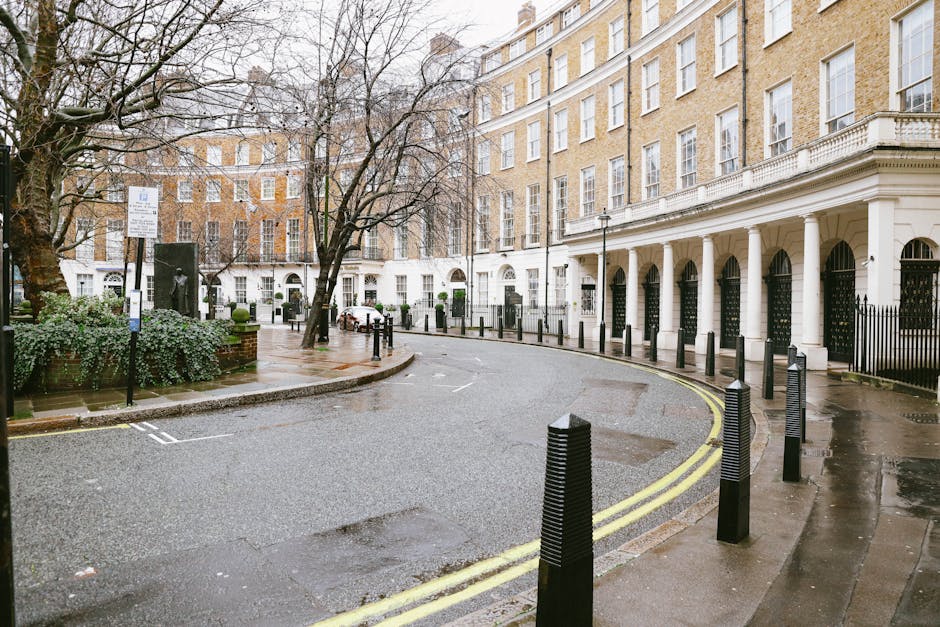
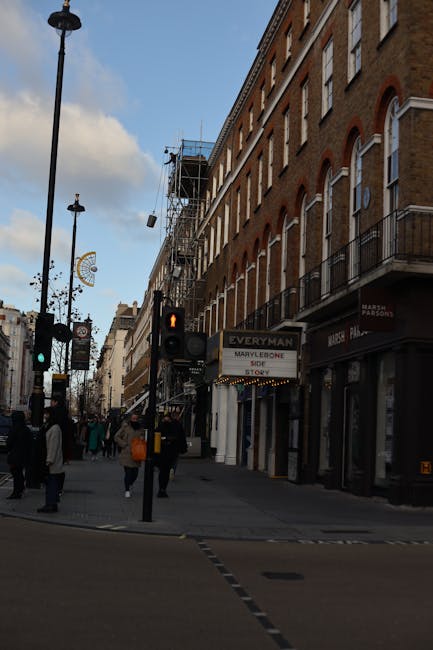
Marylebone is the sort of place where street space disappears quickly. Residents, tradespeople, cyclists, taxis, refuse lorries, visitors, and moving vehicles all need room to pass. When a move blocks access, even for a short time, the impact spreads fast. A van left awkwardly in the carriageway can delay traffic, make pedestrians step into unsafe areas, and create frustration for neighbours who are trying to get on with their day.
That is why obstruction is not just a minor inconvenience. It can lead to enforcement action, complaints, or charges from building managers and private parking controllers, depending on where the move takes place. Sometimes the issue is not the van itself, but the loading process: boxes on the pavement, furniture held in a doorway, or a lift and landing blocked for longer than expected. It is rarely one big mistake. More often it is a chain of small ones.
If you are relocating from a flat, a townhouse, or an office in central London, this matters even more. A move that is well timed and carefully staged can avoid a lot of hassle. A move that is rushed, noisy, or badly parked can become expensive before lunchtime. And yes, everyone thinks they will be "just five minutes." Everyone.
For broader moving support and planning, some people also look at removals or flat removals when weighing up the safest way to manage a tight London move.
How Fines for Obstructing Marylebone Streets During Moves Works
There is no single universal fine that applies in every situation. In practice, obstruction issues during moves can arise from different types of enforcement or penalties, depending on the exact location and what has been blocked. The key point is that moving day behaviour is judged by the effect it has on access, safety, and traffic flow.
Typical examples include a vehicle stopping where it should not, creating an unsafe obstruction, parking in a restricted location, or causing a blockage that affects other road users. In some cases, the issue is tied to a parking restriction. In others, it is the act of obstructing the street or footway itself. If you are using a loading bay, a permit space, or a private forecourt, the rules around time, access, and space management matter just as much as the physical move.
During a move, enforcement tends to become more likely when:
- a van blocks through traffic or prevents vehicles from passing safely;
- boxes, furniture, or trolleys spill into the pavement area;
- the crew takes too long unloading and creates a bottleneck;
- multiple vehicles are double parked in a narrow street;
- the building's entrance, fire route, or shared access point is left obstructed.
To be fair, sometimes the problem starts before the crew has even lifted the first box. A poorly chosen arrival time, a van that is too large for the street, or a lack of storage for staged items can create pressure straight away. That is why people increasingly separate moving logistics from storage logistics, using services such as mobile self storage or short-term storage to reduce street congestion on the day.
If you are moving a business, the same logic applies. Office moves can be especially tricky because there are often more crates, more equipment, and more people waiting for access. In those cases, office removals and office storage can help you keep the building frontage clear and the process more orderly.
Key Benefits and Practical Advantages
Avoiding obstruction fines is not only about not paying a penalty. The practical upside is bigger than that. When a move is well managed, the whole day feels calmer. People are less stressed, neighbours are less irritated, and the moving crew can actually work efficiently instead of constantly stopping and starting.
Here are the biggest advantages of taking a compliance-first approach:
- Lower financial risk: you reduce the chance of fines, extra charges, or wasted time.
- Better safety: clear access means fewer trip hazards and less lifting under pressure.
- Less neighbour friction: no one enjoys being the person who blocks the whole street at 8:30 on a weekday.
- Faster loading and unloading: a controlled setup keeps boxes moving in a steady flow.
- Better building access: lifts, stairwells, entrances, and fire exits stay usable.
There is also a reputation angle. If you are a tenant, landlord, business owner, or managing agent, a smooth move reflects well on you. People notice the difference between a chaotic move and one that looks thought through. It is a small thing, maybe, but in Marylebone those small things carry weight.
When storage is part of the plan, the benefits are even clearer. Offloading non-essential items before moving day can make streets less crowded and shorten the time the vehicle needs to remain on site. Services like household storage, furniture storage, and secure storage can make a real difference when space is tight.
Who This Is For and When It Makes Sense
This topic is relevant to almost anyone arranging a move in Marylebone, but some groups feel the pressure more sharply than others.
Home movers in flats and townhouses
If you are moving from a top-floor flat with a narrow staircase, or a building where only one vehicle can stop nearby, obstruction risk rises quickly. One van, one lift, one landing. That is enough to make timing crucial. If your move is domestic and you want help with smaller loads, small removals can sometimes be a better fit than a large all-day operation.
Business owners and office teams
Office relocations often mean multiple people arriving and leaving at the same time, with equipment being moved in stages. That can crowd pavements and entrances without anyone meaning to cause a problem. If a relocation is being done during business hours, planning is vital. Pairing business storage with a staged move can keep pressure off the street and the team.
Students and short-let movers
Student and short-term moves are often rushed. People turn up late, underestimate how much they own, and then try to load everything in one go. It happens. If that sounds familiar, a smaller vehicle plan and temporary storage may be far safer than hoping for the best. Student storage is useful where move-out deadlines are tight.
Families moving home
Family moves can be more complex because there is more furniture, more packing, and usually more emotional energy involved. Nobody wants to be dealing with an awkward parking situation while also keeping kids, pets, and a kettle under control. In those cases, house removals and packing services can reduce the load on moving day.
If your move includes a longer staging period, long-term storage may be useful too, especially when you need to clear a property gradually rather than all at once.
Step-by-Step Guidance
Here is a straightforward way to reduce the chance of obstruction issues during a Marylebone move.
- Assess the street and access first. Look at width, parking restrictions, loading options, pavement pinch points, and whether a larger van will even fit without causing a blockage.
- Match the vehicle to the route. A big van is not always the smartest choice. Sometimes a smaller vehicle, or several coordinated runs, is safer than one oversized arrival.
- Plan the load sequence. Decide what comes out first, what can stay in storage, and what should be loaded from the entrance nearest the vehicle.
- Keep walkways clear. Never let bags, cartons, or dismantled furniture build up in the street or shared hallway.
- Use people efficiently. One person checking doors, one person handling the lift, one person managing loading. It sounds obvious, but under pressure, people forget.
- Watch the clock. The longer a vehicle sits, the more likely it is to attract complaints or enforcement attention.
- Build in a buffer. London traffic, weather, and access delays happen. They just do. Leave room for them.
A good move is not rushed into being. It is assembled. Bit by bit.
If you are moving contents into temporary storage before final delivery, a combination like removals and storage can keep the vehicle turnaround short and reduce the need for repeated roadside loading.
Expert Tips for Better Results
In our experience, the moves that go smoothly in central London usually share a few habits. None of them are glamorous, but they work.
- Visit the site at the same time of day as the move. A street that looks fine at 10am on a Sunday can be a different beast on a weekday morning.
- Pre-label the priority boxes. The less searching and shuffling you do outside, the better.
- Stage items inside the property, not on the pavement. This is a simple one, but people still do it wrong when they are in a hurry.
- Use storage to split the move into phases. It is often easier to move in two clean stages than one noisy, congested one.
- Protect the building's access points. Doors, steps, and shared lobbies matter. A damaged entrance creates a different kind of headache.
One small but useful tip: keep a person free just to watch the street. Not everyone needs to be lifting. Someone should be looking out for pedestrians, delivery vans, and that one driver who always thinks the gap is bigger than it is. It is amazing how often that saves a problem.
For delicate furniture or items that do not need to go straight into the new property, mobile self storage can be a tidy way to reduce clutter during the road-facing part of the move. If you need help putting items into protective wraps and boxes before transport, packing services can also cut down the faff.
Common Mistakes to Avoid
Most obstruction problems are avoidable. The trouble is that moving day has a habit of making people optimistic at exactly the wrong moment.
- Assuming the street will be free. Never count on a perfect parking spot appearing at the right time.
- Bringing the wrong size vehicle. Bigger is not always better, especially on a narrow London road.
- Leaving boxes outside while waiting. This is how pavements get cluttered and residents get annoyed.
- Forgetting building rules. Some properties have their own access windows, lift booking rules, or loading instructions.
- Underestimating how long loading takes. Furniture is rarely as quick to move as the spreadsheet suggested. Never is.
- Not planning a backup. If the first plan fails, you need another one ready, not a shrug.
The other common mistake is moving everything yourself without considering support options. A DIY move can work for some situations, but in a place like Marylebone, a half-planned DIY approach can become more expensive than hiring help. If the job is complex, a professional team paired with local removals may be more sensible than improvising on the kerbside.
Tools, Resources and Recommendations
You do not need fancy systems to manage a move well. A few simple tools and sensible resources are enough for most people.
- Floor plan or room list: helps you see what can be moved first and what should be staged.
- Box labels and colour coding: cuts down the time crews spend searching at the door.
- Timer or move schedule: useful for keeping loading windows tight.
- Protective wraps, blankets, and straps: reduce damage and rehandling.
- Storage plan: lets you remove surplus items early instead of clogging the street later.
If you need a cleaner split between moving and storing, there are several useful options on this site. self storage works well when you need flexible space, while short-term storage suits temporary transitions. For larger household items, furniture storage is often a practical fit. For business files and records, document storage keeps things secure without crowding the office.
It is also worth reviewing practical policies before move day. The site's health and safety policy, insurance and safety information, and terms and conditions can help you understand expectations around safe handling, liability, and service scope. A little admin now beats a headache later.
Law, Compliance, Standards, or Best Practice
When people talk about obstruction fines, they are usually talking about a mixture of parking control, local enforcement, building rules, and general highway safety principles. The exact legal position depends on where the obstruction happens, what is being blocked, and which authority or managing body has jurisdiction. Because of that, it is wise to treat moving-day compliance as a practical risk issue rather than guessing from memory or hearsay.
At a best-practice level, a safe move in Marylebone should aim to:
- keep traffic lanes and pavements passable wherever possible;
- avoid blocking emergency access or building exits;
- minimise the time a vehicle remains stationary in a sensitive location;
- use authorised loading arrangements where available;
- follow building instructions and site-specific access rules;
- avoid placing items in public areas unless that is clearly permitted and managed.
For people handling commercial moves, there is often a stronger need to coordinate with building management and keep proof of planning, delivery windows, and access arrangements. For domestic moves, the issue is more often timing, space management, and not creating an unnecessary bottleneck.
It is sensible to be cautious here. If you are unsure about a specific road, loading bay, or parking condition, get clarity before the van arrives. Guesswork is a bad advisor. Slightly dramatic, maybe, but true.
Options, Methods, or Comparison Table
Here is a simple comparison of common approaches people use when moving in a tight area like Marylebone.
| Approach | Best for | Risk of obstruction | Practical note |
|---|---|---|---|
| Single large van, one-day move | Fast moves with good access | Medium to high | Efficient if the street is suitable, awkward if space is limited |
| Smaller vehicle with multiple trips | Narrow streets and lighter loads | Lower | Takes longer overall, but can reduce blocking pressure |
| Move plus short-term storage | Phased relocations | Lower | Removes surplus items before the main day |
| Professional removals team | Busy homes and offices | Lower when well planned | Better coordination usually means less kerbside chaos |
| DIY move without staging | Very small, simple relocations | Higher | Cheap upfront, but often messy in restricted streets |
If your priority is keeping the street clear and the move orderly, the middle ground is often best: professional help plus storage. That combination gives you breathing room, and in Marylebone breathing room is worth its weight in gold. A slightly overused phrase, perhaps, but it fits here.
Case Study or Real-World Example
Imagine a couple moving out of a second-floor flat near a busy Marylebone side street on a Friday morning. They have sofas, boxed kitchen items, a bed frame, and several bags of extras they do not really need yet. Their first instinct is to book a large van and load everything in one pass. Sounds efficient, right?
Then they look at the street. There is barely room for one vehicle to stop cleanly, let alone two. There is also regular foot traffic, plus a delivery vehicle that often uses the same stretch just after 9am. Instead of forcing the whole move into one crowded window, they split the job into two parts. The unnecessary items go into short-term storage the day before. The main move is handled later with clearer access and fewer boxes on the pavement.
The result is not glamorous. No one is taking victory photos. But the van spends less time on the road, the hallway stays clear, and nobody has to awkwardly apologise to a neighbour holding a coffee and waiting to pass. That is the point. Moving well often looks boring from the outside. Boring is good.
For an office version of the same problem, think about boxed files, chairs, monitors, and IT equipment being moved in phases. Using office removals alongside office storage can stop the entrance from becoming a tangle of trolleys and cardboard.
Practical Checklist
Use this checklist before moving day. It is simple, but it saves people all the time.
- Check whether the street is narrow, restricted, or likely to be busy at your chosen time.
- Confirm the vehicle size is suitable for the access route.
- Plan where items will be staged before they leave the building.
- Keep hallways, entrances, and pavements clear.
- Use a loading plan so the team is not waiting around outside.
- Arrange storage for items that do not need to travel with the first load.
- Review building access rules, lift bookings, and any move-in instructions.
- Have a backup plan if a loading space is unavailable.
- Protect items properly so nothing has to be rehandled in the street.
- Leave a buffer for traffic, weather, or access delays.
One more thing: if your move involves valuable or fragile items, or if you are unsure how much can realistically go in one trip, take a step back and reassess. There is no prize for making it harder than it needs to be.
Get a free quote today and see how much you can save.
Conclusion
Fines for obstructing Marylebone streets during moves are best understood as a warning sign: if the move is not planned with the street in mind, costs and complications can follow. The good news is that most of these problems are manageable. With the right vehicle, sensible timing, a clear loading plan, and a realistic view of what the street can handle, you can keep the move smooth and reduce risk at the same time.
Sometimes the smartest move is not to rush. It is to split the job, use storage, and keep the street breathing. That kind of planning protects your budget, your neighbours, and your own sanity. And honestly, that is a decent outcome on any moving day.
If you are dealing with a tight timetable, complex access, or a move that needs a little extra breathing space, a calm plan beats a crowded kerb every time. Little by little, it all comes together.
Frequently Asked Questions
What counts as obstructing a Marylebone street during a move?
It usually means creating a blockage that interferes with traffic, pedestrian movement, access to property, or safe loading and unloading. That can include the vehicle itself, as well as boxes, furniture, or trolleys left in the wrong place.
Can I be fined if my removal van is only stopped for a short time?
Potentially, yes, depending on the exact location, restrictions, and whether the stop causes a blockage or breaches parking rules. A short stop is not automatically safe just because it is brief.
Are fines for obstructing the street the same as parking fines?
Not always. Sometimes the issue is parking or waiting restrictions; sometimes it is the obstruction itself. The practical result can look similar, but the underlying reason may be different.
How can I reduce the chance of a fine on moving day?
Use the right size vehicle, plan access carefully, keep walkways clear, and stage items inside the building rather than on the pavement. If needed, split the move with storage so the street is not overloaded.
Is it better to use a larger van or several smaller trips?
That depends on the street and the load. In narrow Marylebone roads, smaller trips can be safer and less disruptive, even if they take longer overall. Bigger is not automatically better.
Do I need storage to avoid obstruction problems?
Not always, but storage is often useful when you have more items than you can safely move in one go. It helps reduce kerbside congestion and shortens the time the vehicle needs to remain on site.
What if my building has a lift booking or access window?
Then you should work around it. Building rules matter, and missing a booking window can quickly turn a tidy move into a messy one. Confirm the timing well in advance.
Are office moves more likely to cause obstruction than home moves?
Often they are, simply because offices tend to involve more equipment, more people, and more staging. Good planning, storage, and a clear sequence make a big difference.
Should I use professional removals help for a move in Marylebone?
If access is tight or the move is moderately complex, professional help is usually worth considering. A coordinated team can reduce delays, keep the route clearer, and make the day feel much less frantic.
What should I do if I am unsure whether my move might cause an obstruction?
Treat it as a planning issue before it becomes a problem. Review the route, check the access points, and consider storage or a smaller vehicle. If the street feels tight on paper, it will probably feel tighter in real life.
Can short-term storage help with last-minute moving problems?
Yes. It is very useful when timing is awkward or when not everything needs to go into the new property straight away. It can take pressure off both the street and the moving team.
Where can I check service details before booking?
You can review useful site information such as pricing and quotes, terms and conditions, and contact us details to understand the service setup and next steps.